A Call to Action from Hershel Hartford, President of UA-Fayetteville Education Association / Local 965
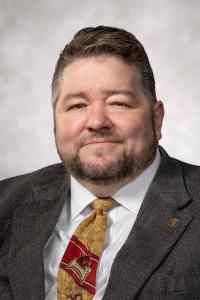
As the president of the UA-Fayetteville Education Association / Local 965, I write to you with a sense of urgency and determination. The landscape of our nation is ever-changing, influenced heavily by the policies and decisions made at both the state and federal levels. As educators, advocates and citizens, we find ourselves at a crossroads where our voices matter more than ever. It is essential that we channel our concerns about current actions detrimental to our communities into peaceful personal resistance.
Peaceful resistance is a nonviolent approach to express dissent, advocate for change and stand in solidarity with those who are marginalized. It is rooted in the belief that change can emerge from a foundation of respect, collaboration and understanding — values that resonate deeply within the educational community. We must find ways to assert our right to voice our beliefs while fostering an environment that promotes dialogue and respect.
1. Educate Yourself and Others
Knowledge is a powerful tool for change. To effectively resist, we must understand the policies and actions impacting our communities. Stay informed about federal and state legislation, and engage with credible sources that provide varying perspectives. Share this knowledge with colleagues, students and families. By hosting discussions or workshops, we can create a well-informed community capable of navigating the complexities of current issues.
2. Engage in Community Dialogue
Encouraging open conversations within our communities can foster understanding and solidarity. Arrange forums or community meetings that allow individuals to share their experiences, opinions and knowledge. By listening to diverse viewpoints, we can cultivate empathy and build a unified front in advocating for positive change. Your voice, when combined with others, creates a powerful collective.
3. Advocacy through Representation
Engage with local, state and federal representatives. Write letters, make phone calls or attend town halls to articulate your concerns and advocate for policies that align with our values. Consider forming a coalition with other local organizations to strengthen our impact. When representatives hear from a united, informed constituency, they are more likely to listen and act.
4. Use Social Media Responsibly
In our digital age, social media can be an effective platform for raising awareness and mobilizing support. Share informative content, promote community events and amplify the voices of those impacted by unjust policies. However, be mindful to engage in civil discourse. Our online interactions should seek to educate rather than antagonize, fostering a respectful exchange of ideas.
5. Support Local Initiatives
Support local organizations and movements that align with your values. Participate in peaceful protests, volunteer for causes that matter to you or donate to organizations that work toward social justice, education equity and community support. Your involvement can help amplify the efforts of those working tirelessly for a better future.
6. Model Resilience and Compassion in Education
As educators, we have a unique role to play in inspiring resilience and compassion in our students. Encourage critical thinking, empathy and civic involvement within your classrooms. By equipping our students with the tools to understand their rights and responsibilities as citizens, we empower the next generation of leaders who will champion positive change.
In these challenging times, it is crucial that we respond with peaceful, personal resistance. Together, as a united front within the UA-Fayetteville Education Association / Local 965, we can inspire change through education, advocacy and community engagement. Let us commit to nurturing an environment where every voice matters and every action counts. In our pursuit of justice and equality, may we find strength in our solidarity, compassion in our resistance and hope in our collective action.
This column was first published as the President’s Message in the February 2025 newsletter of UA-Fayetteville Education Association / Local 965.
 UA-Fayetteville Education Association